
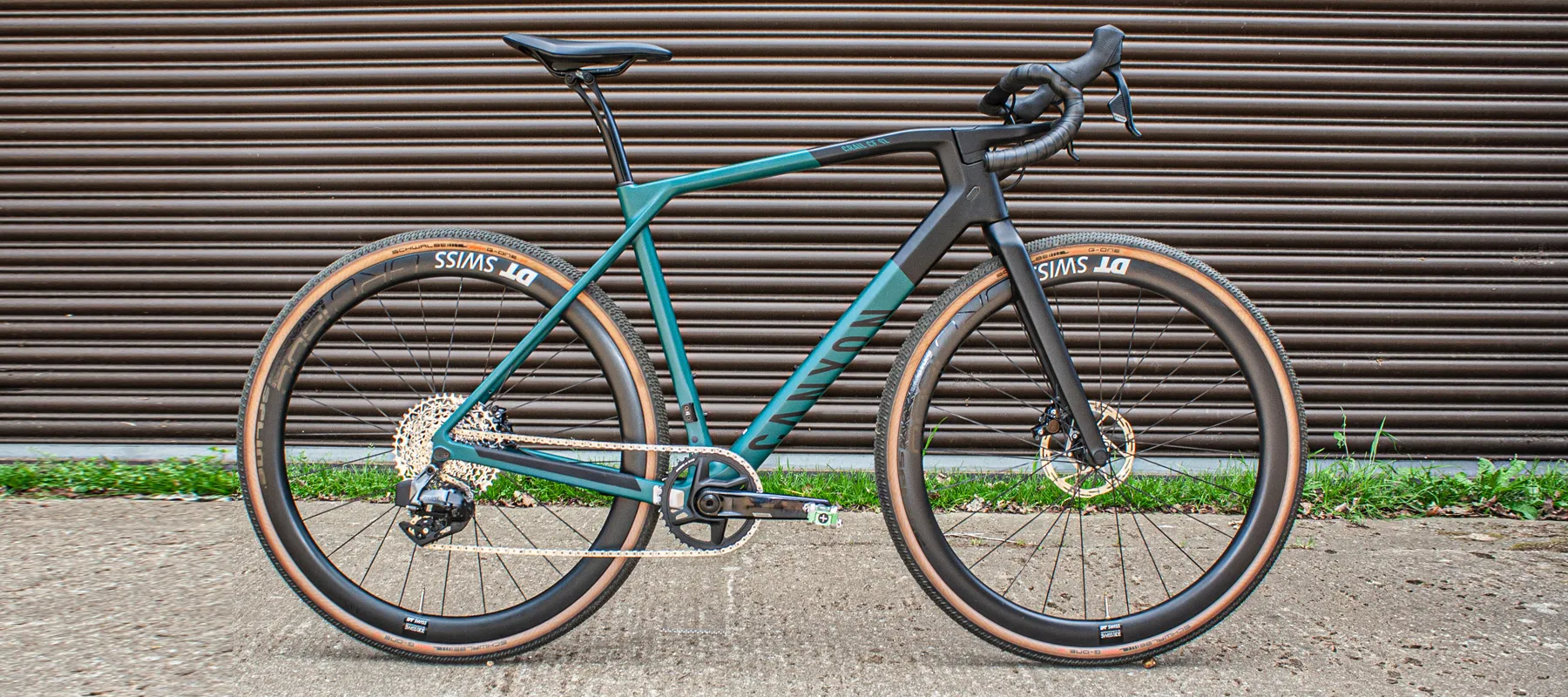
If you are looking for a gravel bike that blurs the line between a road racer and an off-road machine, you have likely looked at this bike. It is designed for one thing: speed on dirt. While the first generation was famous for that polarizing double-decker handlebar, this latest version has matured into a focused, aerodynamic racer that feels like it wants to hunt down podiums rather than just survive a weekend bikepacking trip.
Frame and Build Quality
The heart of this bike is the CF SL carbon frame, which hits a sweet spot between weight and durability. Canyon has clearly leaned into the aerodynamic trend here, using truncated airfoil tube shapes that look more like an Ultimate road bike than a traditional gravel grinder. When I first picked it up, the weight was the first thing I noticed. At roughly 9 kilograms for a medium, it is impressively light for a mid-tier carbon build.
The geometry is where things get interesting. Canyon lengthened the wheelbase and slacked out the head tube angle to 71.5 degrees, which provides a noticeable amount of stability when you are descending at 40 kilometers per hour on loose shale. I found the frame to be incredibly stiff through the bottom bracket, meaning every watt I put into the pedals felt like it was instantly translated into forward motion. However, that stiffness does come with a price in terms of vertical compliance. While the D-shaped seatpost does a decent job of damping out high-frequency vibrations from the road, the front end feels quite firm, especially with the integrated carbon cockpit.
Drivetrain and Components
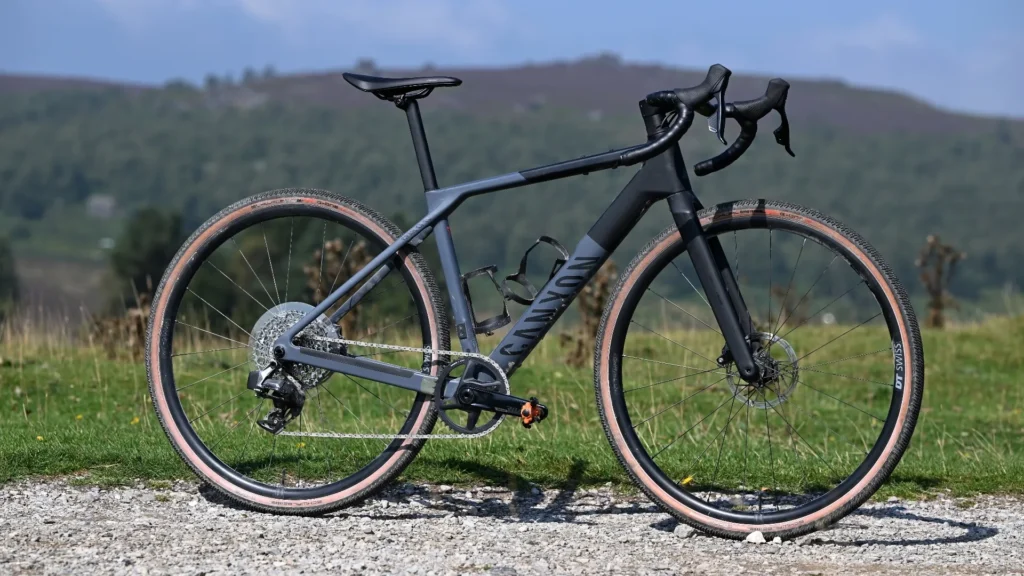
My test unit came equipped with the Shimano GRX 820 12-speed mechanical groupset, which is a workhorse in the gravel world. The shifting is crisp and deliberate even when the cassette is caked in fine dust or mud. I really appreciated the 40-tooth chainring paired with the 10 to 45-tooth cassette. This range gave me enough top-end speed to keep up with roadies on the asphalt connectors while still offering a low enough gear to crawl up 15 percent gradients without blowing up my legs.
The wheels are the DT Swiss Gravel LN aluminum set. While they are not as flashy or light as the carbon hoops found on the higher-end SLX or CFR models, they are incredibly tough. I hit a few hidden square-edge rocks that I was sure would dent a rim, but they stayed perfectly true. The Schwalbe G-One R tires in 40 millimeter width are some of my favorite all-rounders because they roll fast on hardpack and provide predictable cornering grip, though I did find myself wishing for a bit more volume when the trails turned into rock gardens.
Limitations and Trade-offs
The most significant trade-off with the Grail is its uncompromising focus on racing. The tire clearance is officially capped at 42 millimeters. In a world where many gravel bikes are moving toward 45 or even 50 millimeter clearance, this feels a bit restrictive if you live somewhere with very chunky terrain. You simply cannot fit the massive, plush rubber that would turn this into a comfortable long-distance adventure bike.
Then there is the proprietary nature of the cockpit. The integrated handlebar and stem look sleek and hide the cables perfectly, but they make it very difficult to adjust your fit. If you find the reach is a few centimeters too long or the bar width is not quite right, you cannot just swap out a cheap stem. You have to buy an entirely new integrated unit from Canyon, which is expensive and often out of stock. Additionally, while the internal down tube storage is a brilliant addition for carrying a flat kit and tools, the hatch on my test bike had a slight rattle over particularly rough washboard sections that took some creative padding to silence.
Final Verdict
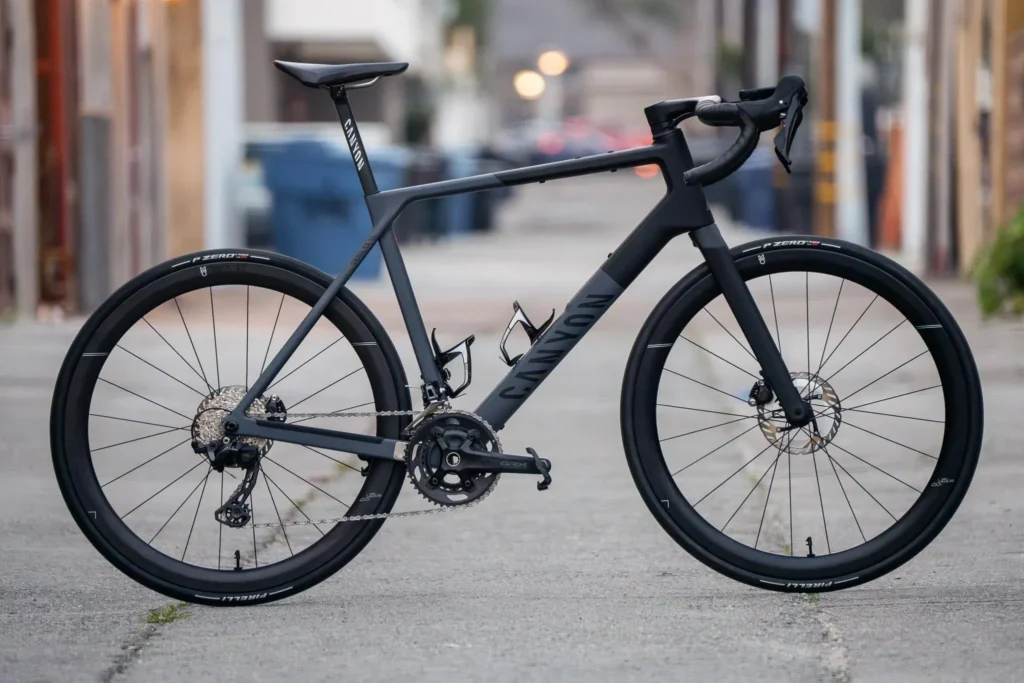
The Canyon Grail CF SL 7 is a precision tool designed for the rider who wants to go as fast as possible from point A to point B on mixed surfaces. It is a bike that rewards an aggressive riding style and feels most at home when you are in the drops, pushing the pace on a rolling gravel sector.
Buy this bike if you are planning to enter gravel races or if your local riding consists of fast, well-maintained dirt roads where efficiency and aerodynamics matter more than raw cushion. It offers some of the best value in the industry for a high-performance carbon frameset with a reliable workhorse groupset.