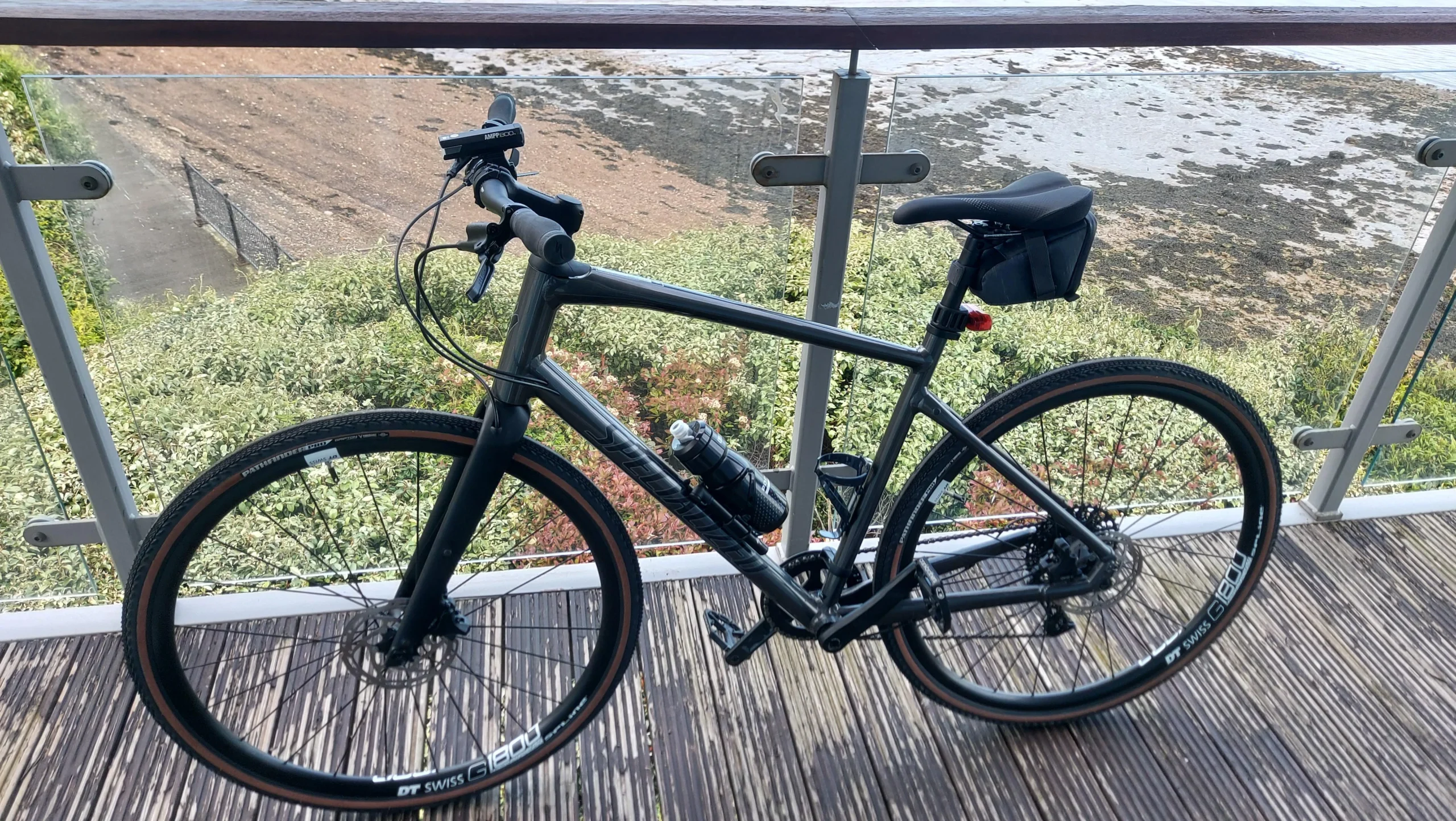
On one particular morning, I found myself cutting through a construction zone where the pavement just disappeared into a mess of loose gravel and deep ruts. Usually, that is the moment a hybrid bike starts to feel like a vibrating paint shaker, but this bike responded with a level of composure that honestly surprised me. This isn’t just a fitness bike with fat tires; it is a dedicated attempt to bridge the gap between a road-going commuter and a light-duty gravel machine.
Contents
Frame and Build Quality
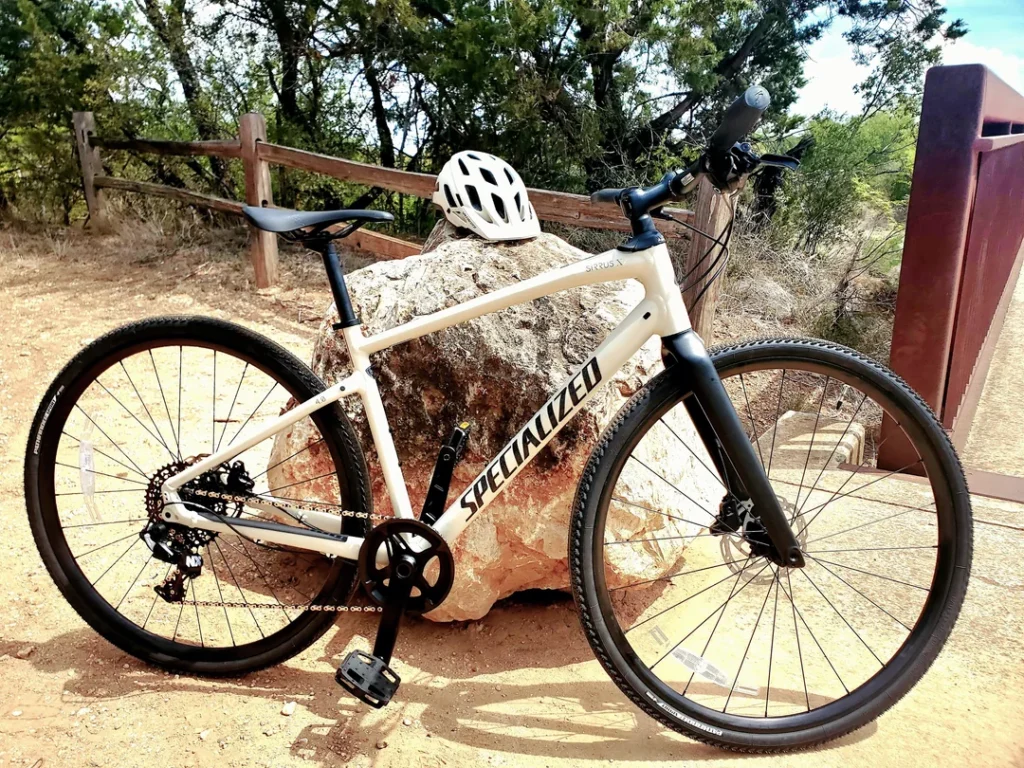
The heart of the Sirrus X 4.0 is the A1 SL Premium Aluminum frame. Specialized has used their fitness geometry here, which strikes a sweet balance between an upright, visibility-focused stance and something that still feels efficient when you are pushing into a headwind. I found the frame to be impressively stiff through the bottom bracket, yet it did not feel harsh. Much of that comfort comes from the FACT 9r carbon fork which is a huge upgrade over the alloy versions found on the lower-tier models. Not only does it shave significant weight, bringing the total bike to just under twenty-four pounds, but it also integrates the Future Shock 1.5 system. Having twenty millimeters of travel right above the head tube effectively isolates your hands from high-frequency vibrations. The build quality feels premium with clean internal cable routing and plenty of mounting points for racks and fenders, which makes this a very viable option for a year-round commuter who wants to escape the pavement on the weekends.
Drivetrain and Components
For the latest version of the Sirrus X 4.0, Specialized moved to the Shimano CUES eleven-speed drivetrain, and I think it is a brilliant choice for this category. The shifting is remarkably smooth under load, and the eleven-to-fifty tooth cassette provides a massive gear range that allowed me to crawl up some surprisingly steep gravel inclines without blowing out my knees. The one-by setup is intuitive and keeps the mechanical complexity low, which I appreciate when I am riding through mud or grit. I was also impressed by the Tektro hydraulic disc brakes; they offer plenty of stopping power and a consistent lever feel that gave me confidence on fast descents. The Pathfinder Sport tires in a forty-millimeter width are the unsung heroes here. They have a fast-rolling center strip for the road but enough side tread to bite into the corners once you hit the dirt.
Real World Testing Performance
Riding this bike on the road feels remarkably similar to a traditional flat-bar road bike, albeit one with a much more forgiving personality. The steering is predictable and stable, which is exactly what you want when navigating traffic or dodging potholes. However, the real magic happens when you transition to light trails. The Future Shock 1.5 does not feel like a mountain bike fork, and it is not meant to be. Instead, it feels like it is smoothing out the world around you. I noticed significantly less fatigue in my wrists and shoulders after two-hour rides compared to a fully rigid hybrid. The bike feels nimble and eager to accelerate, likely due to the lightweight frame and the carbon fork and wheel combination. It handles fire roads and well-groomed singletrack with ease, though it does start to show its limits when the rocks get bigger or the terrain gets truly technical.
Limitations and Trade-offs
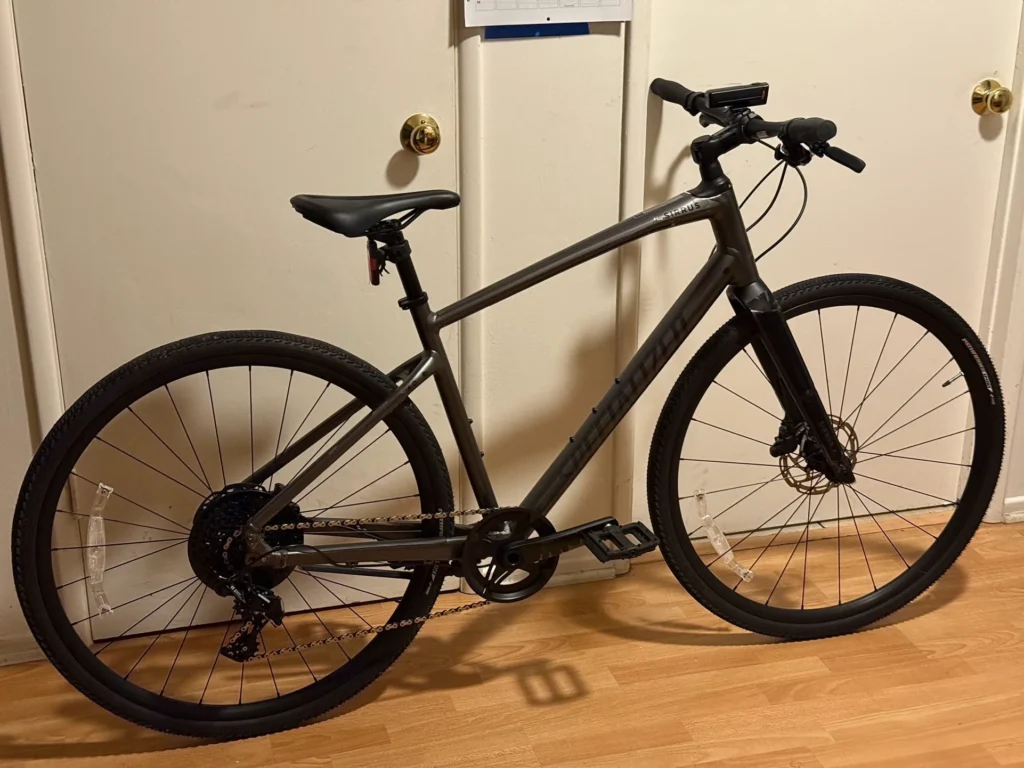
No bike is without its compromises, and the Sirrus X 4.0 has a few worth noting. While the Future Shock is fantastic for comfort, it can feel a bit springy if you are an aggressive rider who likes to stand up and sprint out of the saddle. There is a noticeable bobbing sensation when you are pulling hard on the handlebars that some riders might find distracting or inefficient. Additionally, the price point puts it in direct competition with some very capable entry-level gravel bikes that offer drop bars and even more versatility. There have also been historical reports regarding bottom bracket creaking and crank arm issues on older iterations, and while the move to the Shimano CUES system seems to address many of those concerns, it is something to keep an eye on during your first few hundred miles. You are also paying a premium for the Specialized name and the proprietary technology, which means you might find better component specifications on paper from some of the smaller direct-to-consumer brands.
Final Verdict
Buy this bike if you want a high-performance commuter that can genuinely double as a weekend adventure rig without the aggressive posture of a drop-bar gravel bike. It is perfect for the rider who values comfort and simplicity above all else but still wants a machine that feels light and fast underfoot. The integration of the Future Shock and the wide-range Shimano CUES drivetrain makes it one of the most capable hybrids on the market today.
Skip this if you are a traditionalist who prefers the feedback of a rigid front end or if you plan on doing mostly high-speed road group rides where a flat-bar geometry will eventually hold you back. If your budget is tight and you do not mind a bit more weight, the Sirrus X 3.0 offers a lot of the same utility for less money, though you will definitely miss the refined feel of that carbon fork and the specialized suspension system.